Understanding the problem
Sciatica describes pain, tingling or numbness that spreads from the lower back or buttock down the back of the leg, sometimes to the foot. It happens when the sciatic nerve is irritated or compressed, most often by a disc herniation, and less often by narrowing of the spinal canal or tension in pelvic muscles such as the piriformis.
What guidelines say
According to the NHS, symptoms improve for most people within 4 to 6 weeks, although for some they last longer. Staying as active as possible, gradually returning to normal activities and doing exercises recommended by a professional are advised. Long bed rest usually does not speed recovery. NICE guideline NG59 on low back pain and sciatica recommends exercise and notes that manual therapy should only be considered as part of a wider plan that includes exercise.
The role of ART
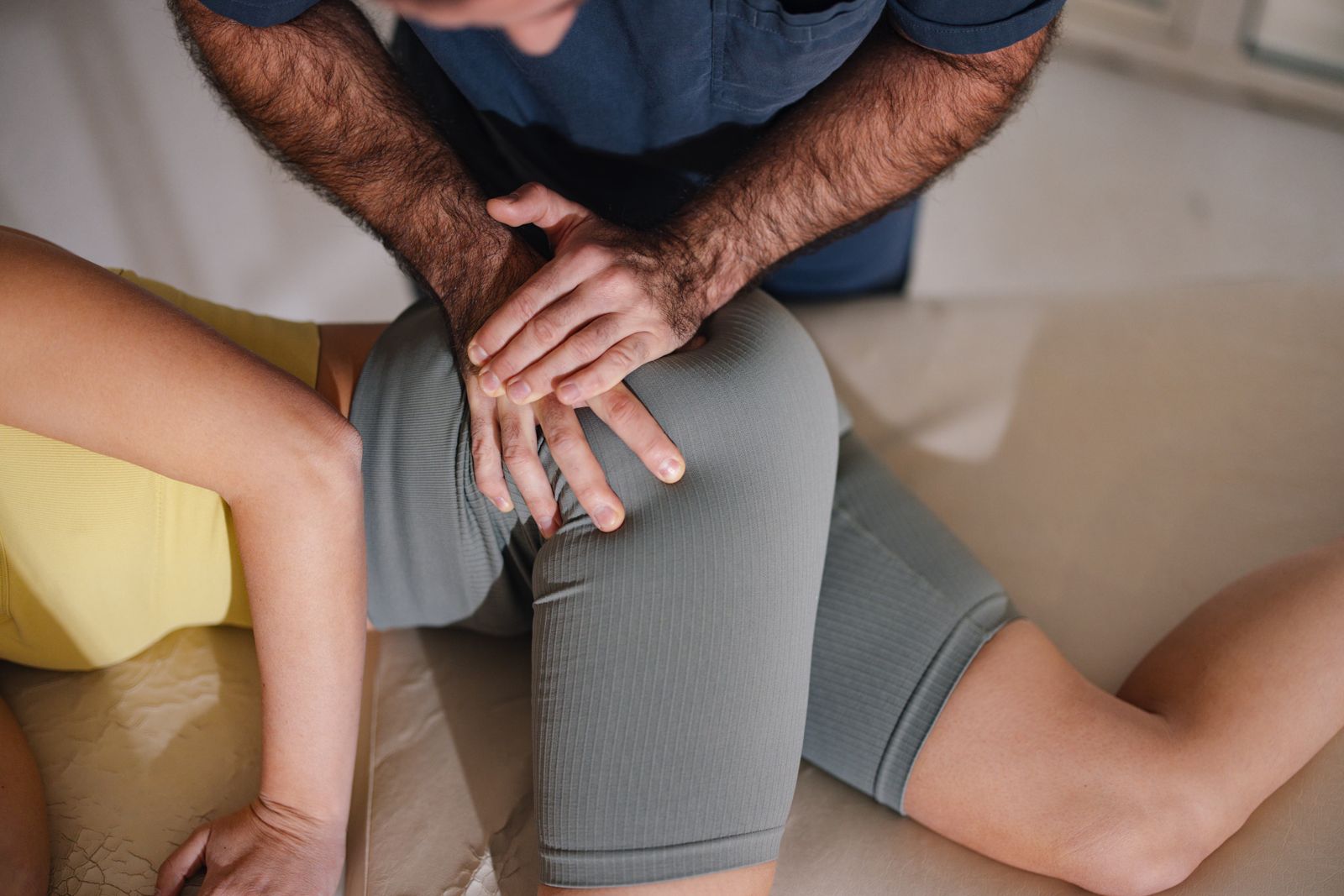
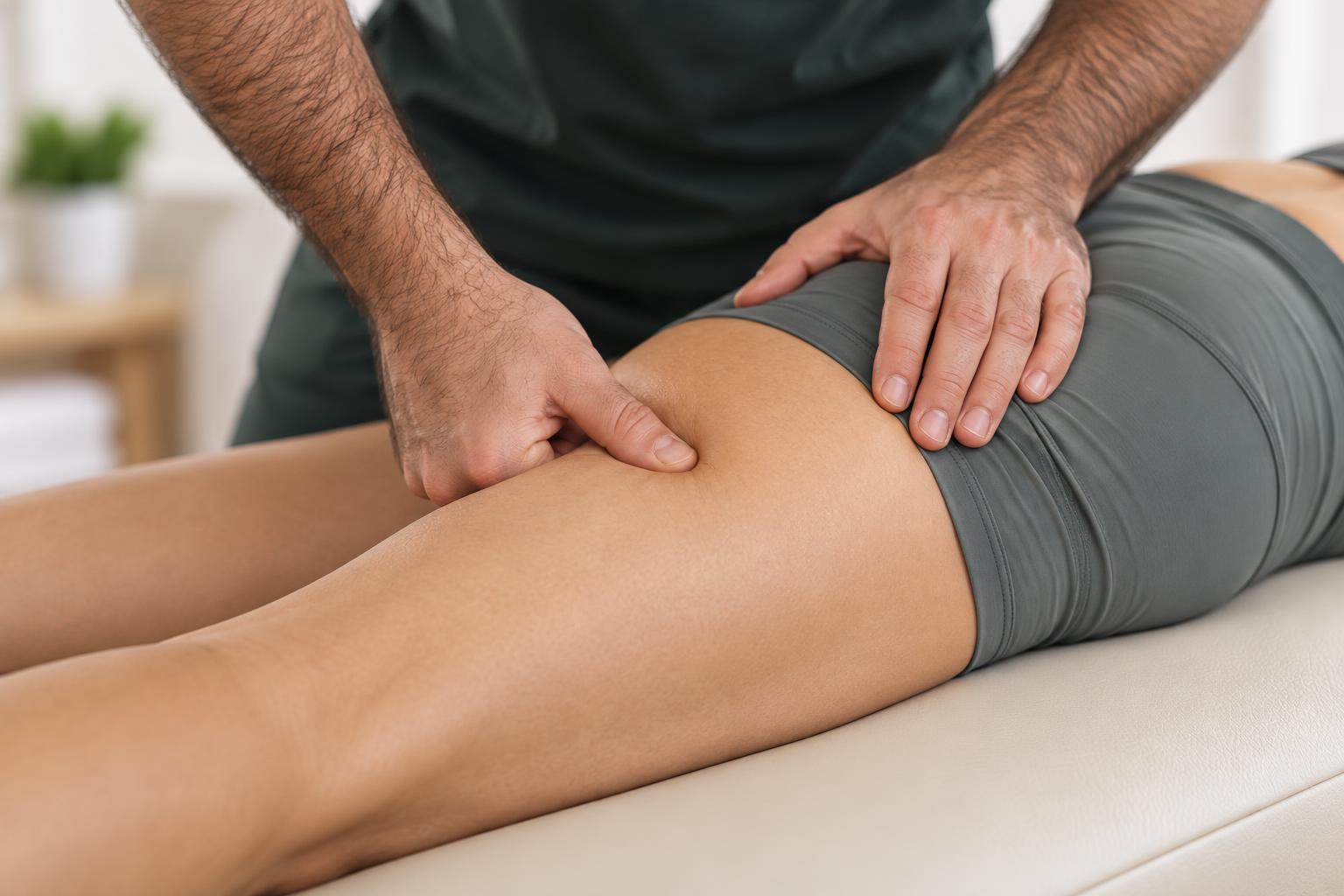
Active Release Techniques® (ART) does not "release" a disc or remove the cause of pressure in the spine. It can be used on tight or painful soft tissues of the buttock, hip and hamstrings that may limit movement, while monitoring how symptoms respond. Treatment is always combined with activity and exercise.
A 2022 systematic review (Barnes and Rivera) included nine studies of ART for musculoskeletal complaints. The results suggest possible short-term improvements in pain and mobility, but the studies were small and of mixed quality, so ART should be seen as one part of a treatment plan rather than a replacement for medical assessment.
When to seek help urgently
Seek urgent medical help if you have numbness around the genitals or anus, problems controlling your bladder or bowels, weakness in both legs or sudden worsening. These can be signs of cauda equina syndrome, which needs emergency care. Book an assessment if pain does not ease after a few weeks.
This article is for education and does not replace an individual assessment.