Understanding the problem
The plantar fascia is a strong band of tissue on the underside of the foot that connects the heel to the toes. When it is overloaded, pain appears in the heel or bottom of the foot, usually worst with the first steps in the morning or after sitting. It is more common in people who stand or run a lot, wear unsupportive shoes, have tight calves or carry more body weight.
What helps recovery
The NHS notes that most people improve, but recovery can take several months. Advice includes resting from activities that make the pain worse, calf and foot stretches, comfortable shoes with heel and arch support, insoles and, if needed, ice and painkillers. If symptoms persist, a physiotherapist or doctor may suggest further options such as shockwave therapy.
The role of ART
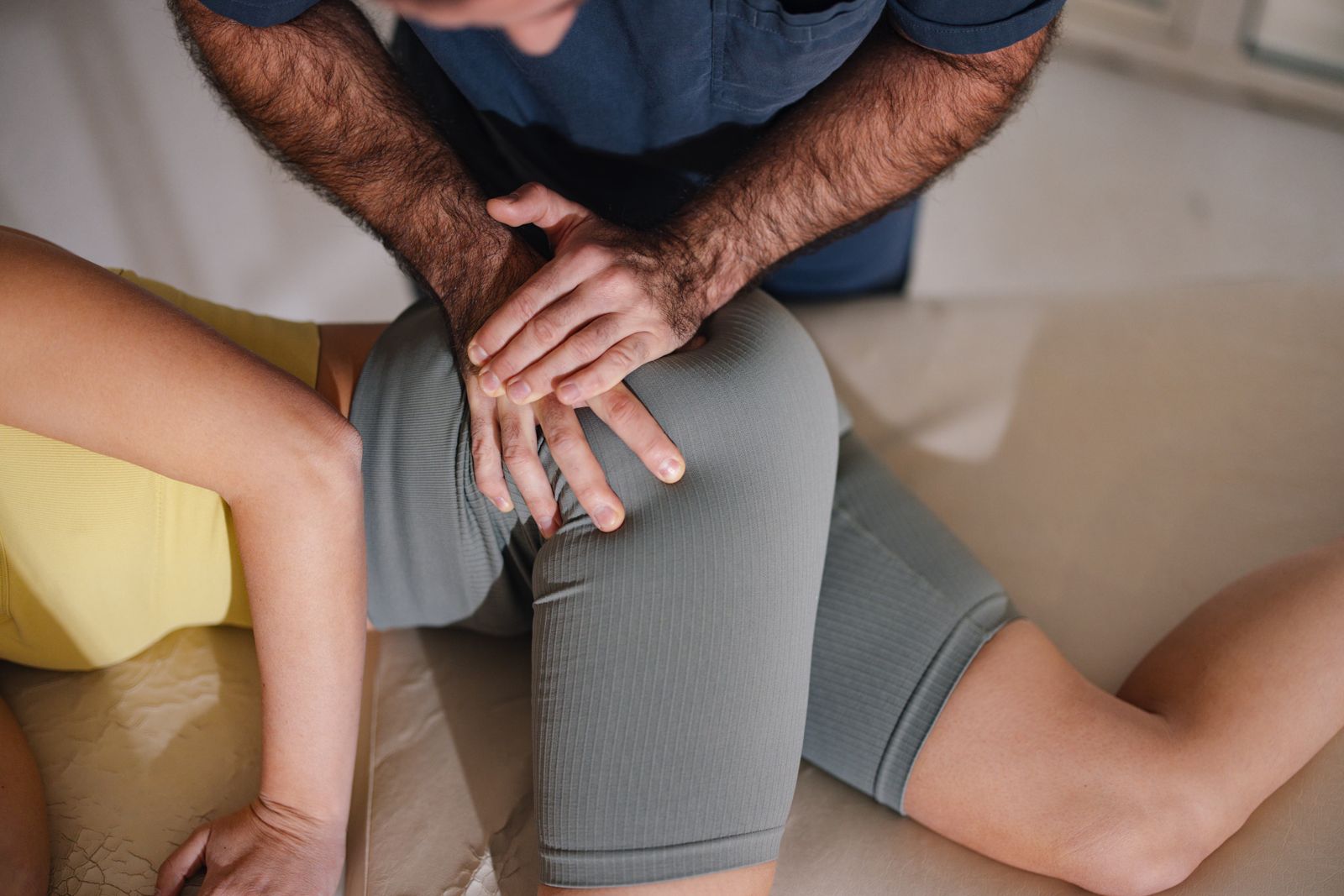
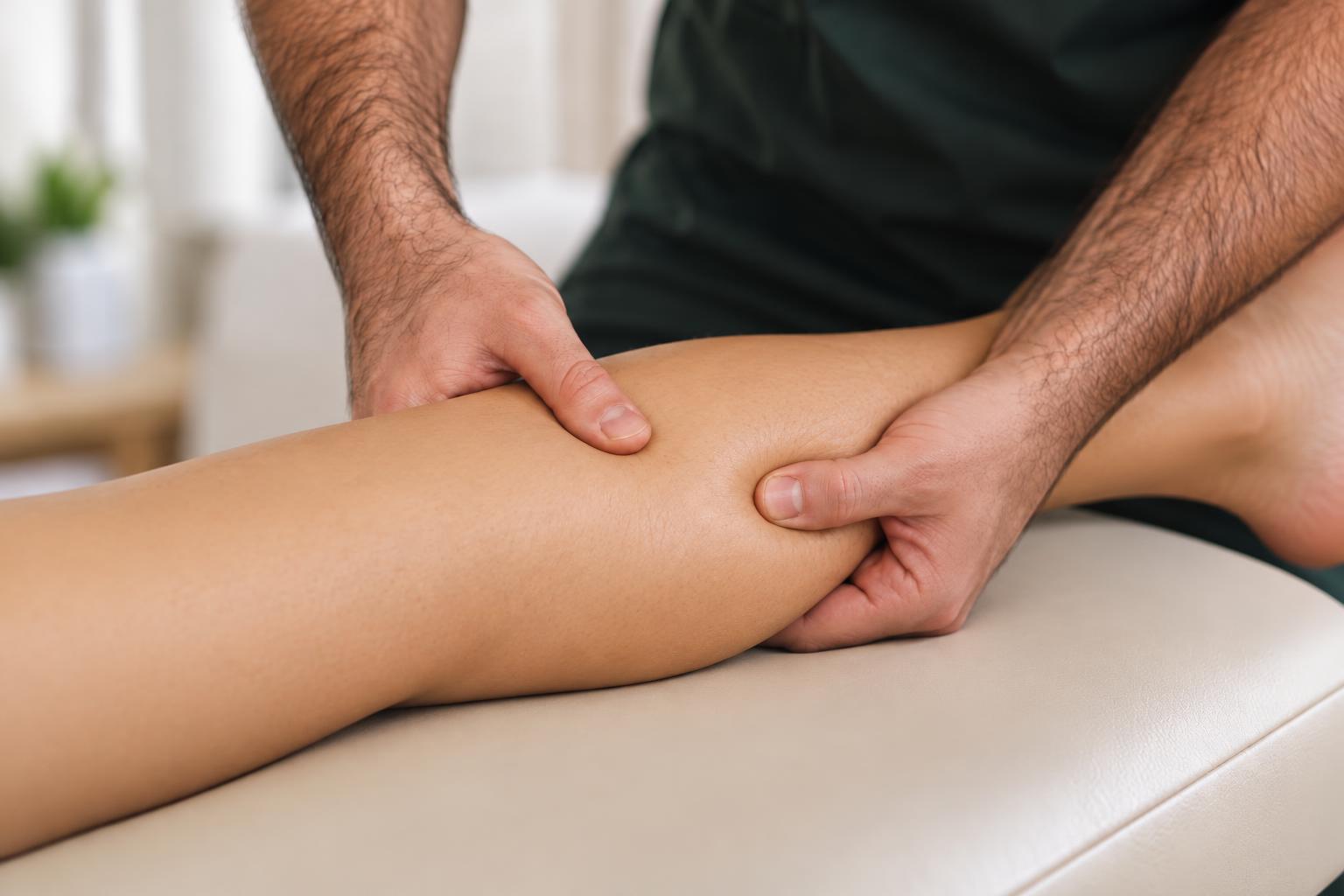
Active Release Techniques® (ART) can be used on the soft tissues of the calf, Achilles tendon and foot, which may be tight and increase load on the fascia. Treatment is combined with stretching, strengthening and load management rather than replacing them.
A 2022 systematic review (Barnes and Rivera) included nine studies of ART for musculoskeletal complaints. The results suggest possible short-term improvements in pain and mobility, but the studies were small and of mixed quality, so ART should be seen as one part of a treatment plan rather than a replacement for medical assessment.
When to seek help
Book an assessment if pain lasts more than a few weeks despite home care, makes walking difficult, or comes with swelling, numbness or pain after an injury. These signs need further assessment.
This article is for education and does not replace an individual assessment.