Understanding the problem
Neck and back pain is one of the most common reasons people see a doctor or physiotherapist. Most often it is not caused by a serious illness, but by muscle tension, long periods sitting in one position, poor workstation ergonomics, a sudden movement or overload. Pain may come with stiffness and difficulty turning the head or bending.
What guidelines recommend
According to the NHS, neck and back pain improves for most people within a few weeks. Staying active, continuing daily activities as much as you can, changing position regularly while working and adding exercise are recommended. NICE guideline NG59 on low back pain recommends exercise as the foundation of treatment, with manual therapy only as part of a plan that includes exercise.
The role of ART
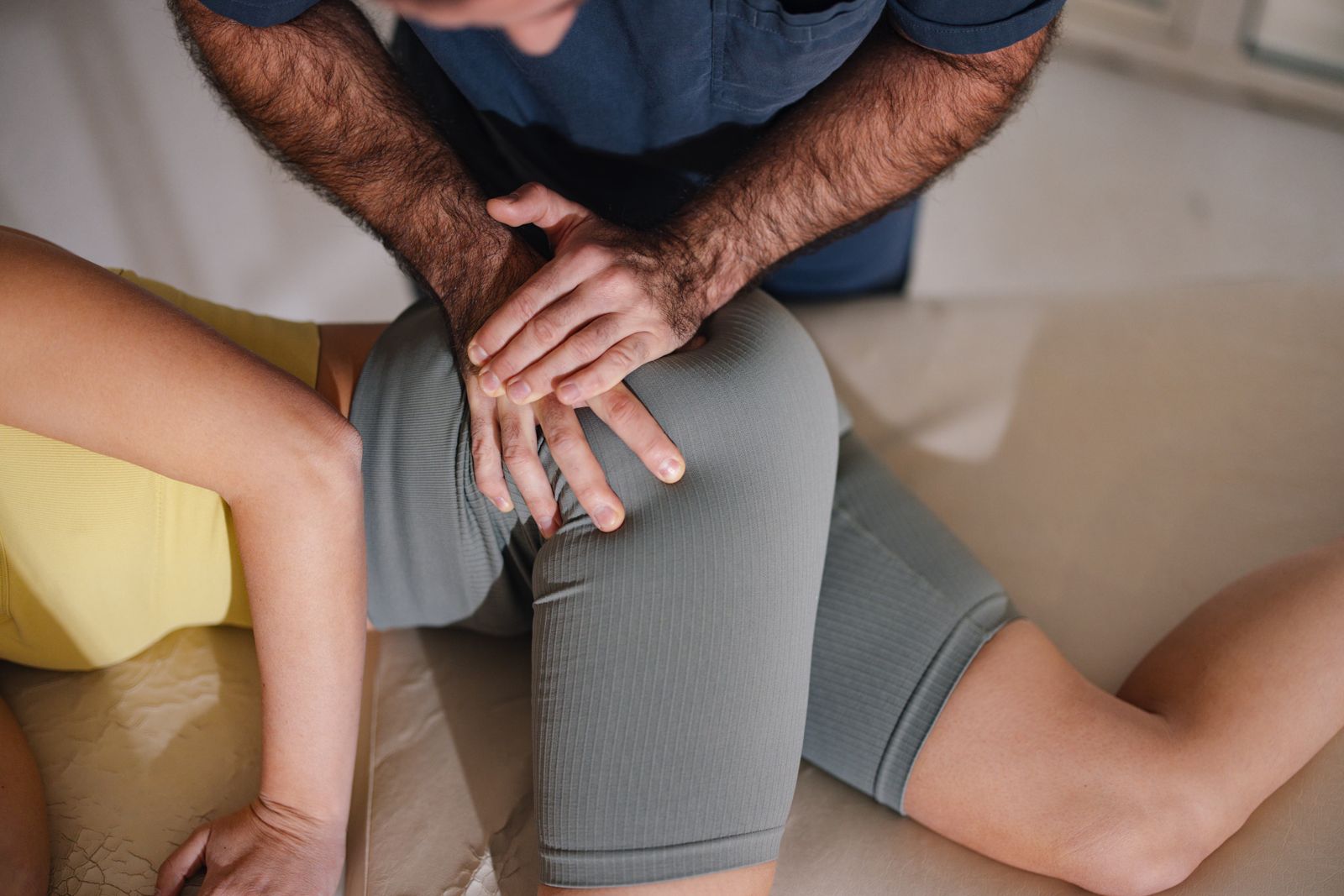
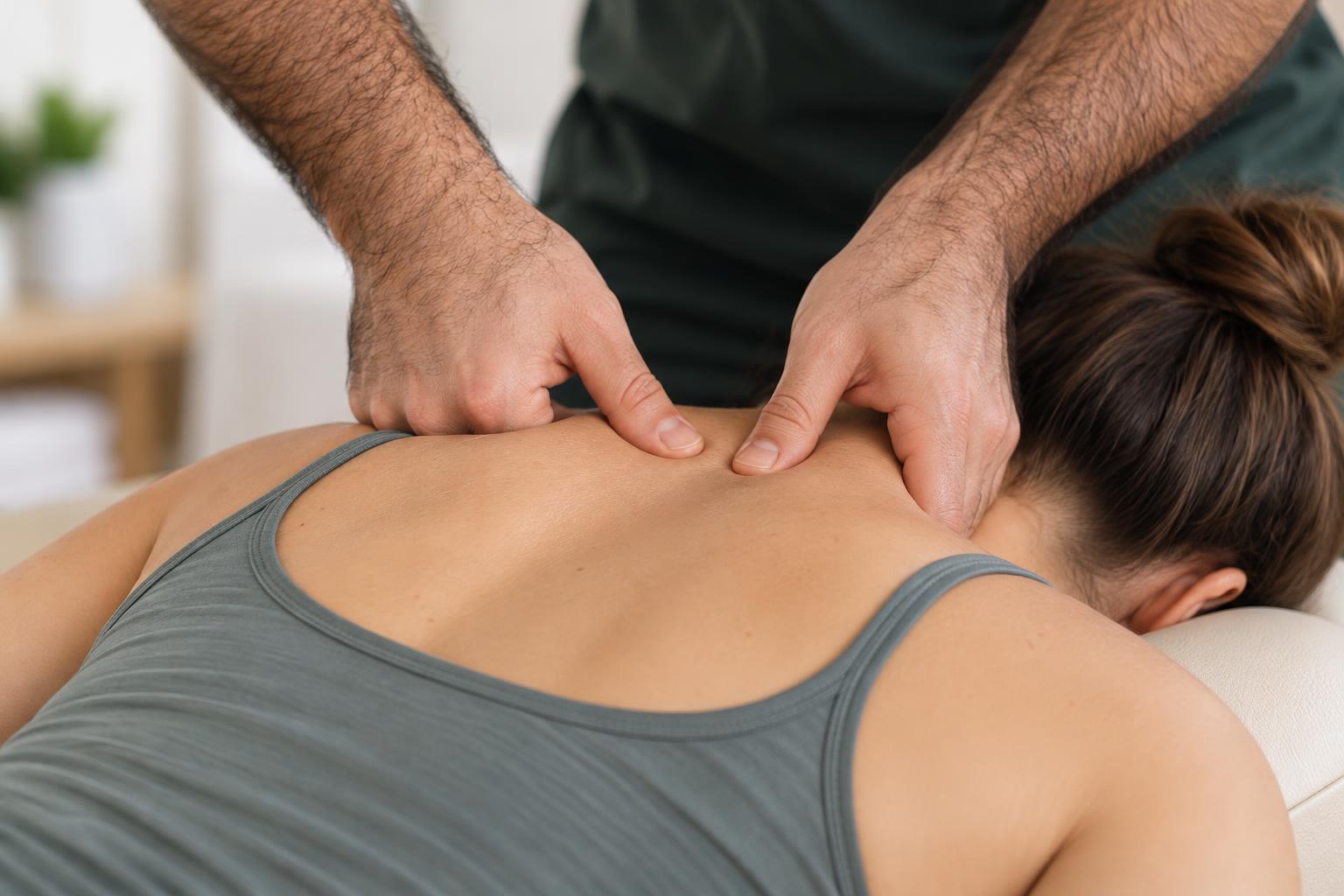
Active Release Techniques® (ART) is used on tight and painful muscles and fascia of the neck, shoulder girdle and back. The practitioner holds pressure on the tissue while you actively move, with the aim of reducing tension and easing movement. Treatment is most useful when combined with exercise and habit changes, such as taking more frequent breaks from sitting.
A 2022 systematic review (Barnes and Rivera) included nine studies of ART for musculoskeletal complaints. The results suggest possible short-term improvements in pain and mobility, but the studies were small and of mixed quality, so ART should be seen as one part of a treatment plan rather than a replacement for medical assessment.
When to seek help
Contact a doctor straight away if pain comes with a high temperature, unexplained weight loss, numbness or weakness in the arms or legs, problems controlling your bladder or bowels, or if it started after a fall or blow. Book an assessment if pain does not ease after a few weeks.
This article is for education and does not replace an individual assessment.