Understanding the problem
Frozen shoulder (adhesive capsulitis) develops when the shoulder joint capsule becomes thickened and tight. The shoulder becomes painful and stiff, so everyday movements such as dressing, brushing your hair or reaching overhead become difficult. It is more common between ages 40 and 60, in people with diabetes and after an injury or a period of keeping the shoulder still.
Course and treatment
The NHS describes frozen shoulder as usually passing through stages: first mainly pain, then stiffness, and finally a gradual return of movement. Recovery can take from several months to more than a year. Advice includes keeping the shoulder moving within a comfortable range, exercises shown by a physiotherapist and painkillers; for severe pain a doctor may consider a steroid injection. Other procedures are considered when symptoms do not improve.
The role of ART
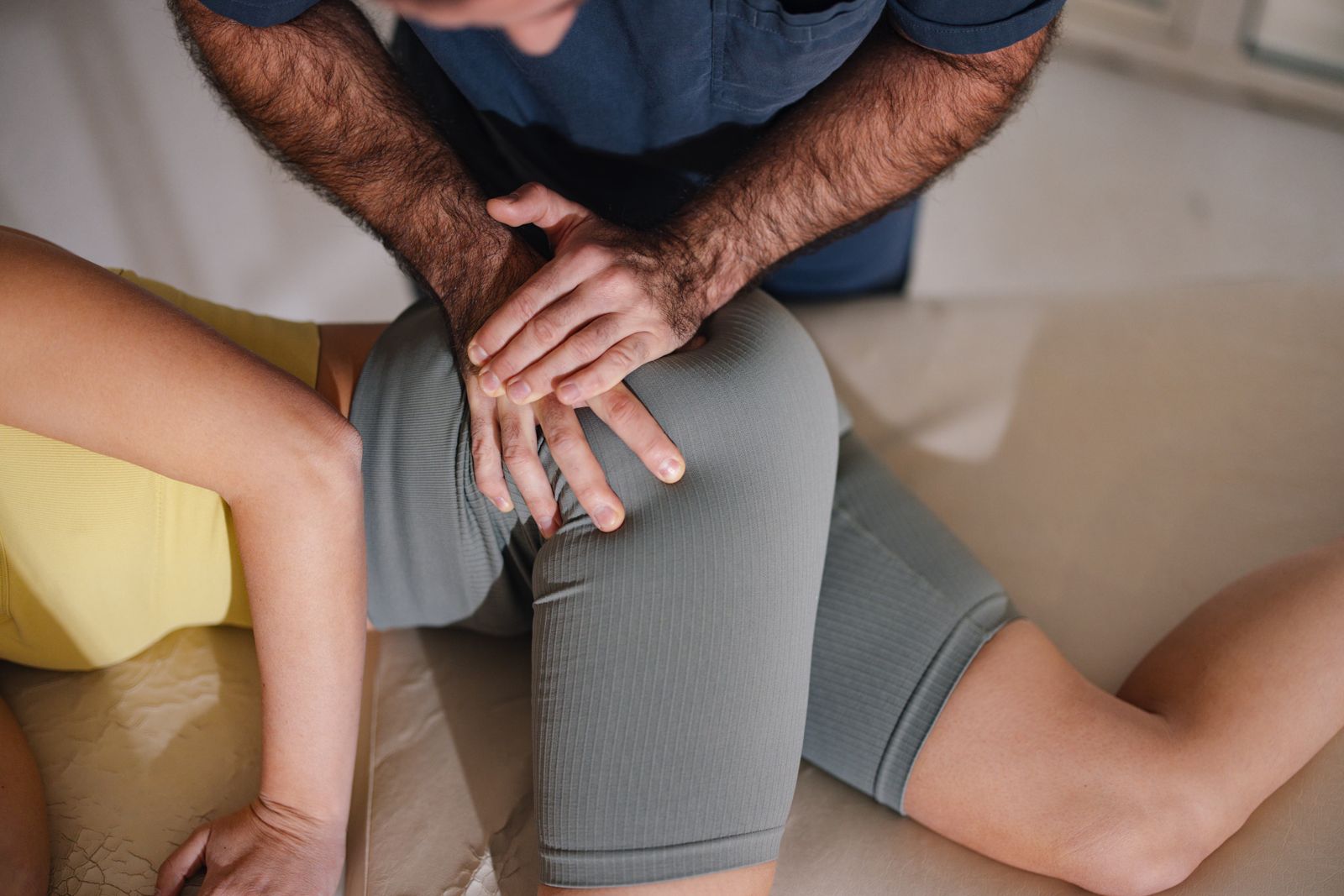
Active Release Techniques® (ART) cannot directly "unstick" a thickened joint capsule. It can be used on the muscles around the shoulder and shoulder blade that tighten because of pain and stiffness, alongside exercises that gradually restore range of motion. The pace of treatment is adapted to the stage of the condition.
A 2022 systematic review (Barnes and Rivera) included nine studies of ART for musculoskeletal complaints. The results suggest possible short-term improvements in pain and mobility, but the studies were small and of mixed quality, so ART should be seen as one part of a treatment plan rather than a replacement for medical assessment.
When to seek help
Book an assessment if shoulder pain lasts more than a few weeks, wakes you at night or stops you doing everyday tasks. Sudden arm weakness, pain after a fall, or shoulder pain with chest pain or shortness of breath needs urgent medical assessment.
This article is for education and does not replace an individual assessment.