Understanding the problem
Tension-type headache is the most common type of headache. The NHS describes it as a constant, dull ache on both sides of the head, often felt as tightness or pressure, possibly with tension in the neck and shoulders. It usually does not come with nausea or sensitivity to light as migraine does. Triggers can include stress, poor posture, long computer work, lack of sleep, skipped meals and not drinking enough fluids.
What helps
Regular sleep, physical activity, enough fluids, breaks from screen work and relaxation techniques are recommended. Painkillers can help occasionally, but the NHS warns that taking them too often can cause medication-overuse headache. With frequent headaches, keeping a diary helps identify triggers.
The role of ART
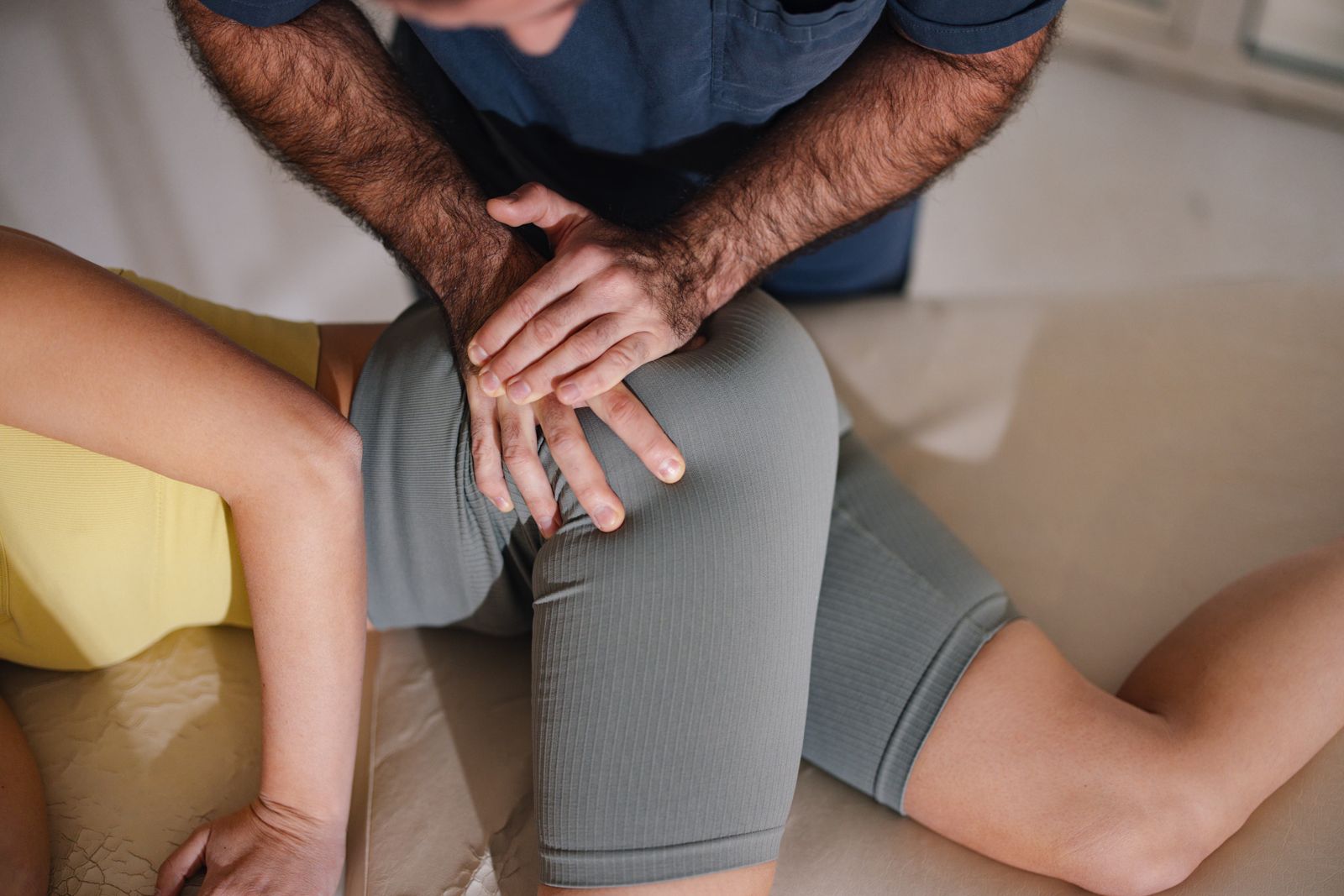
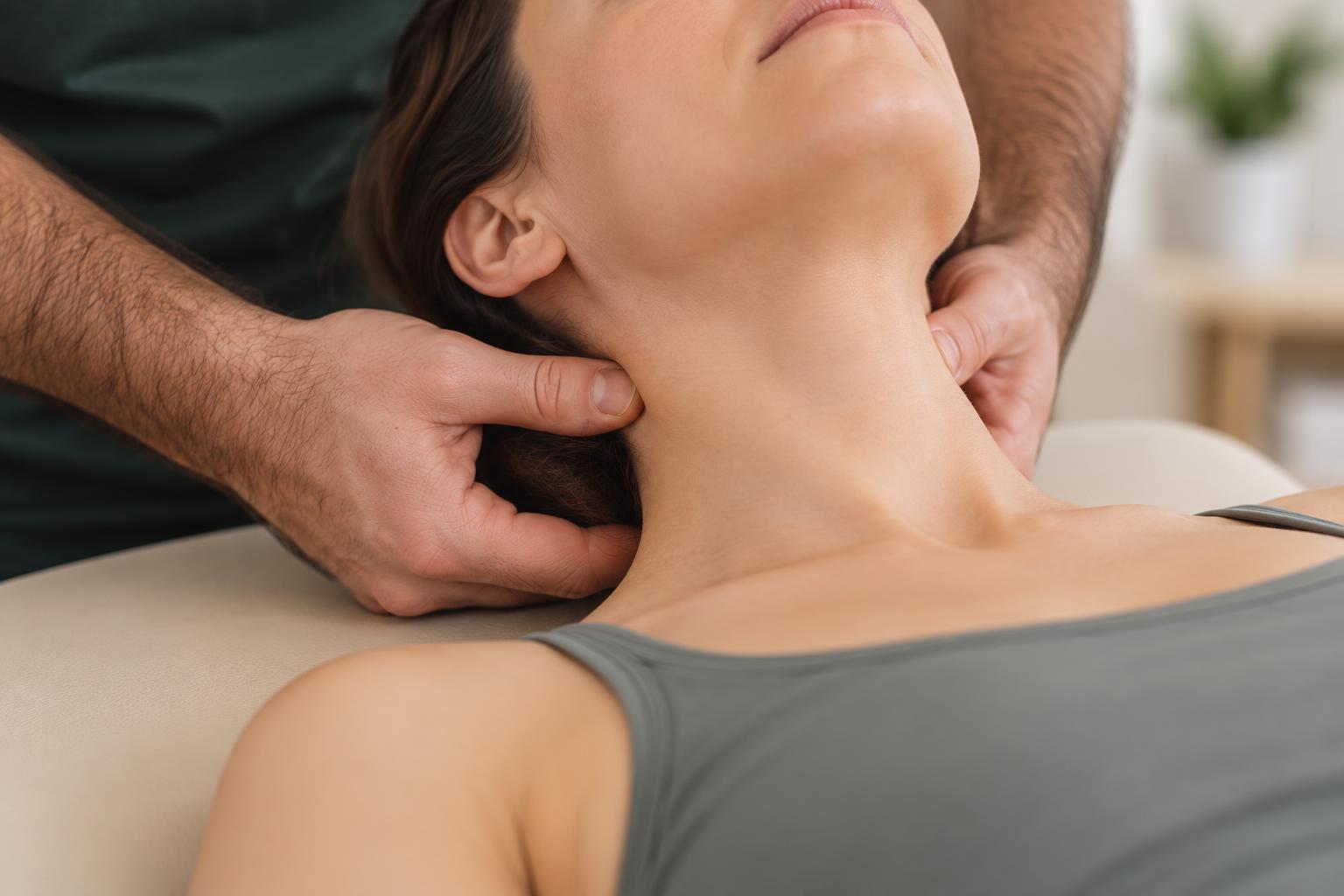
Active Release Techniques® (ART) is used on tight muscles of the neck, base of the skull, shoulders and upper back that contribute to headaches in some people. The aim is to reduce tension and improve neck mobility, alongside advice on posture, breaks and exercise. ART does not treat migraine or headaches from causes unrelated to muscles.
A 2022 systematic review (Barnes and Rivera) included nine studies of ART for musculoskeletal complaints. The results suggest possible short-term improvements in pain and mobility, but the studies were small and of mixed quality, so ART should be seen as one part of a treatment plan rather than a replacement for medical assessment.
When to seek help urgently
Seek urgent medical help if a headache is sudden and extremely severe, follows a head injury, or comes with a stiff neck and fever, confusion, weakness, or problems with vision or speech. See a doctor if headaches are frequent or change in character.
This article is for education and does not replace an individual assessment.