Muscle strains are common in athletes, often caused by overuse, poor movement patterns, or imbalances. If not properly addressed, these injuries can limit flexibility, reduce performance, and lead to recurring pain.
Active Release Techniques® (ART) offers a precise, hands-on solution. By targeting scar tissue and soft tissue adhesions that restrict movement and irritate nerves, ART helps restore mobility and reduce discomfort—without downtime or invasive procedures.
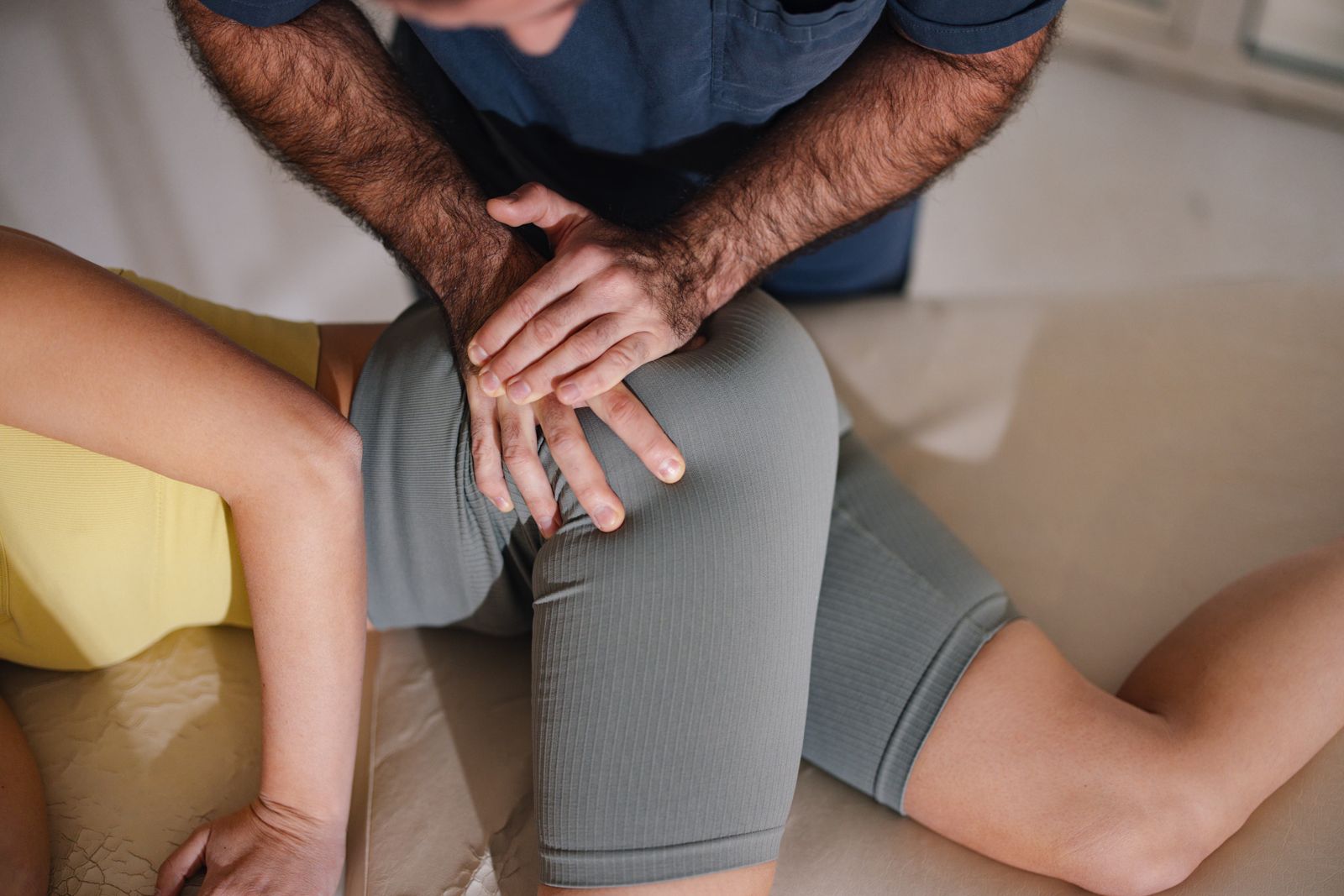
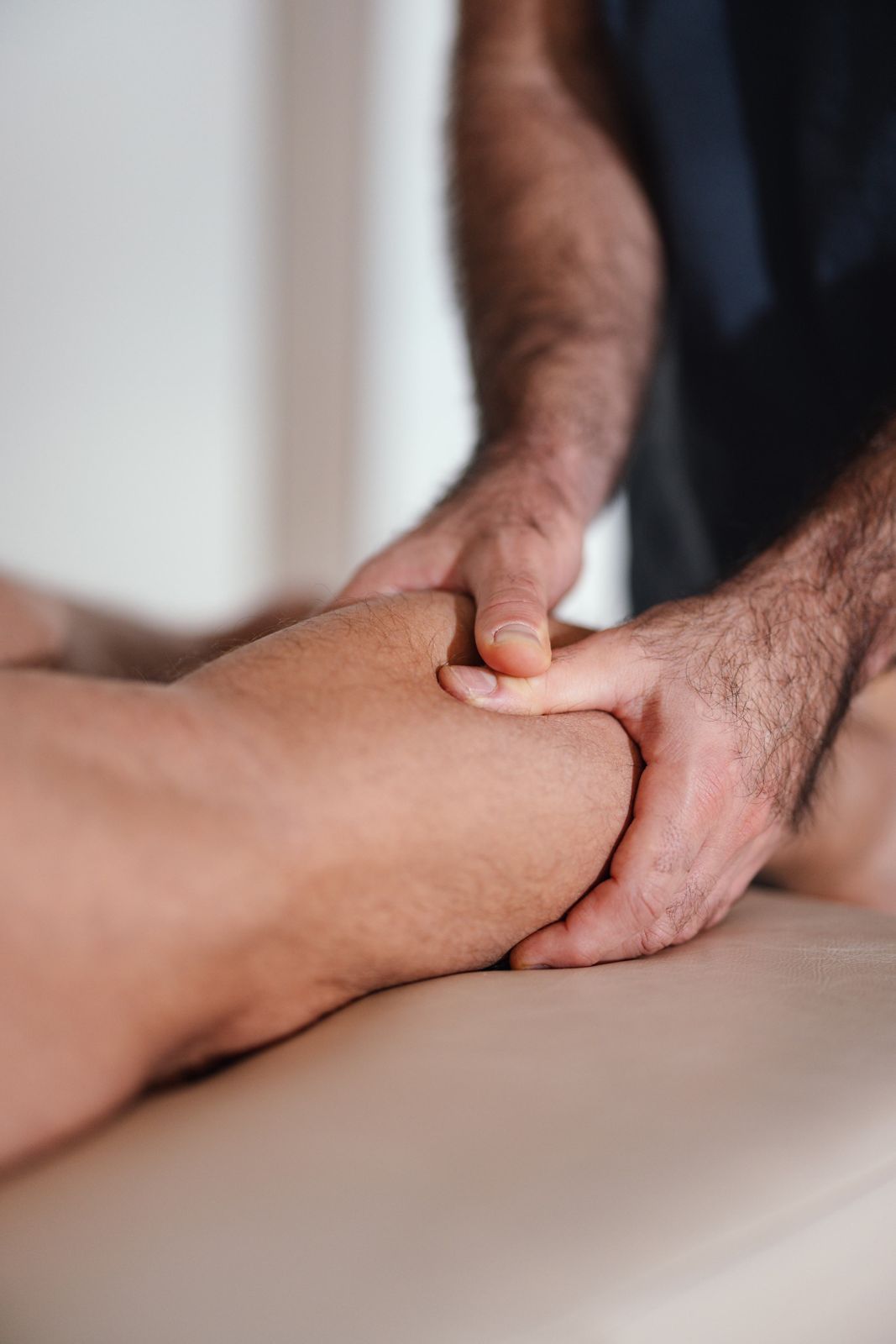
The video demonstrates how ART works in real time: combining deep pressure with active movement to break up tight tissue, release tension, and promote healing at the source.
Many athletes develop chronic strain patterns over time—especially in the hamstrings, calves, or lower back—where layers of muscle and fascia become "stuck" together. This creates tightness, limits joint mobility, and often results in compensations elsewhere in the body, increasing the risk of re-injury. ART works by systematically identifying and releasing these restrictions, allowing the muscles to glide and function properly again.
What sets ART apart is its active nature. During treatment, you're not just lying still—you're part of the process. By moving the injured area through a controlled range while the therapist applies precise pressure, the body is retrained to move without tension. This approach leads to faster, more sustainable recovery and helps athletes return to training with confidence.
What to Expect from ART Treatment
- Pinpointed Evaluation of movement and muscle tightness
- Targeted Pressure applied to the strain-affected area
- Patient-Guided Movements that restore healthy function
- Lasting Relief from pain, stiffness, and recurring strain
Why It Works
Unlike traditional stretching or massage, ART actively releases tension while engaging the muscle. This not only improves short-term recovery but also helps prevent future strain by restoring natural movement patterns and addressing the root cause of the injury.
Outcome:
After four sessions, the athlete reported over 70% improvement in mobility and a notable decrease in pain. Within six weeks, they returned to full training without limitations and experienced enhanced stride efficiency and reduced post-run fatigue.
ART not only facilitated the breakdown of scar tissue but also helped prevent new adhesions from forming during recovery. The athlete now incorporates ART sessions into their regular maintenance routine.