Understanding persistent symptoms
NICE defines chronic lower back pain as pain lasting three months or longer; its intensity may fluctuate. Persistent symptoms call for a plan that considers everyday activities and individual needs. The aim is better function and symptom management, not a promise that one procedure will permanently remove pain.
Assessment before treatment
Discussion and examination should cover symptom duration, any pain spreading into a leg, movement limitations and new or changed symptoms. NICE emphasises considering alternative causes, including injury, infection, inflammatory disease or cancer. Imaging is not routinely recommended in non-specialist settings; in specialist care, it should be considered when the result is likely to change treatment.
Active recovery and the role of ART
The foundation is tailored information, support for self-management and continuing normal activities within individual capabilities. Exercise programmes should reflect the person’s needs, abilities and preferences. NHS guidance advises against prolonged bed rest. Progress can be reviewed through practical activities, such as walking or returning to everyday responsibilities.
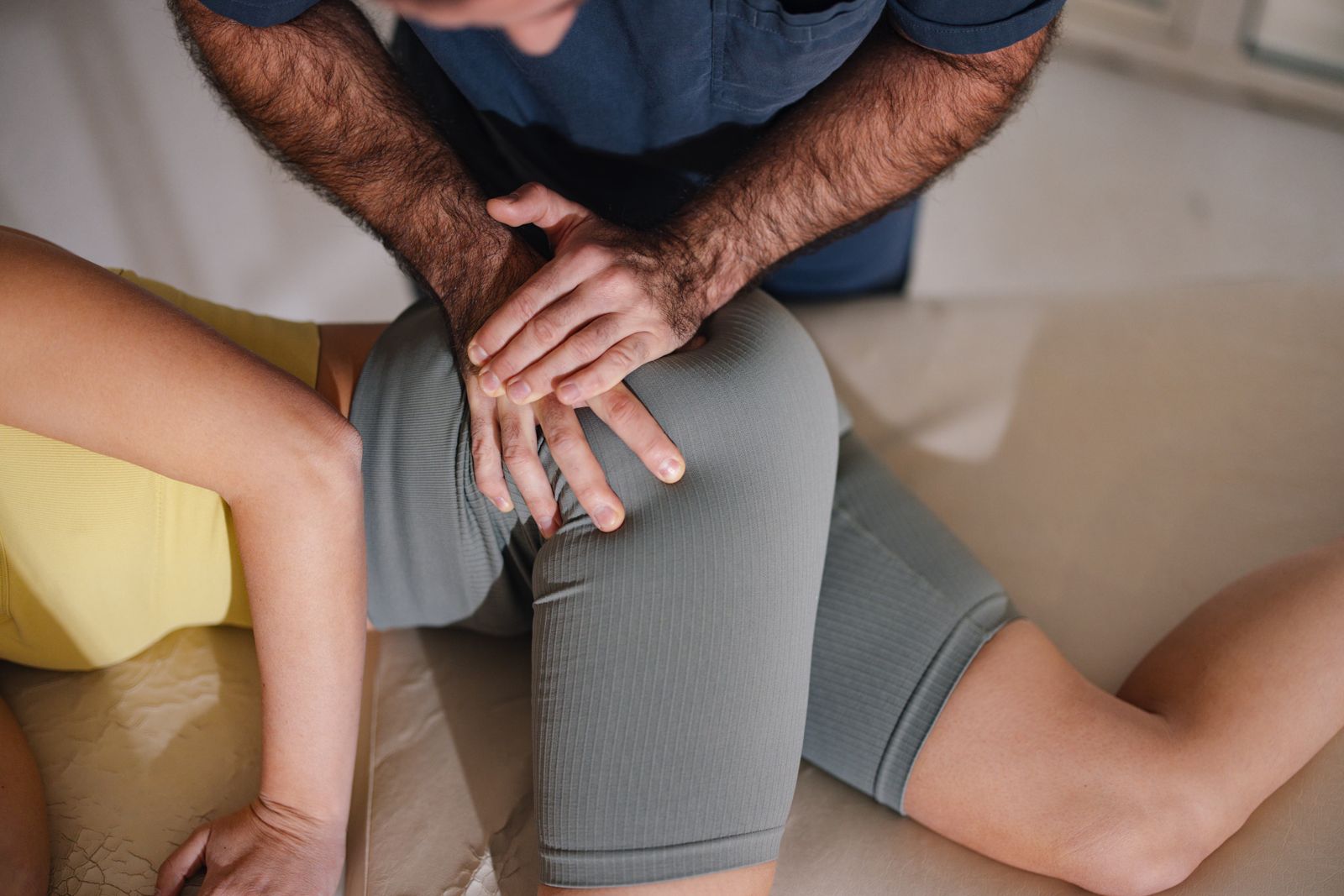
NICE considers manual therapy, including manipulation, mobilisation or soft-tissue techniques, only as part of a treatment package that includes exercise. This is not a specific endorsement of ART. A 2022 review of nine ART studies reported possible benefits for pain, movement and disability, but evidence remains limited and long-term effects require further research. It does not establish that ART is superior or guarantee recovery.
When to seek care
Consult a doctor if pain limits daily life, does not improve, or accompanies unexplained weight loss. Fever, feeling generally unwell or rapidly worsening pain warrants urgent assessment. Seek emergency help immediately for numbness around the genitals or anus, changes in bladder or bowel control, or weakness and numbness in both legs alongside back pain. These symptoms should not wait for a manual-therapy appointment.
This information is educational and does not replace an individual assessment.