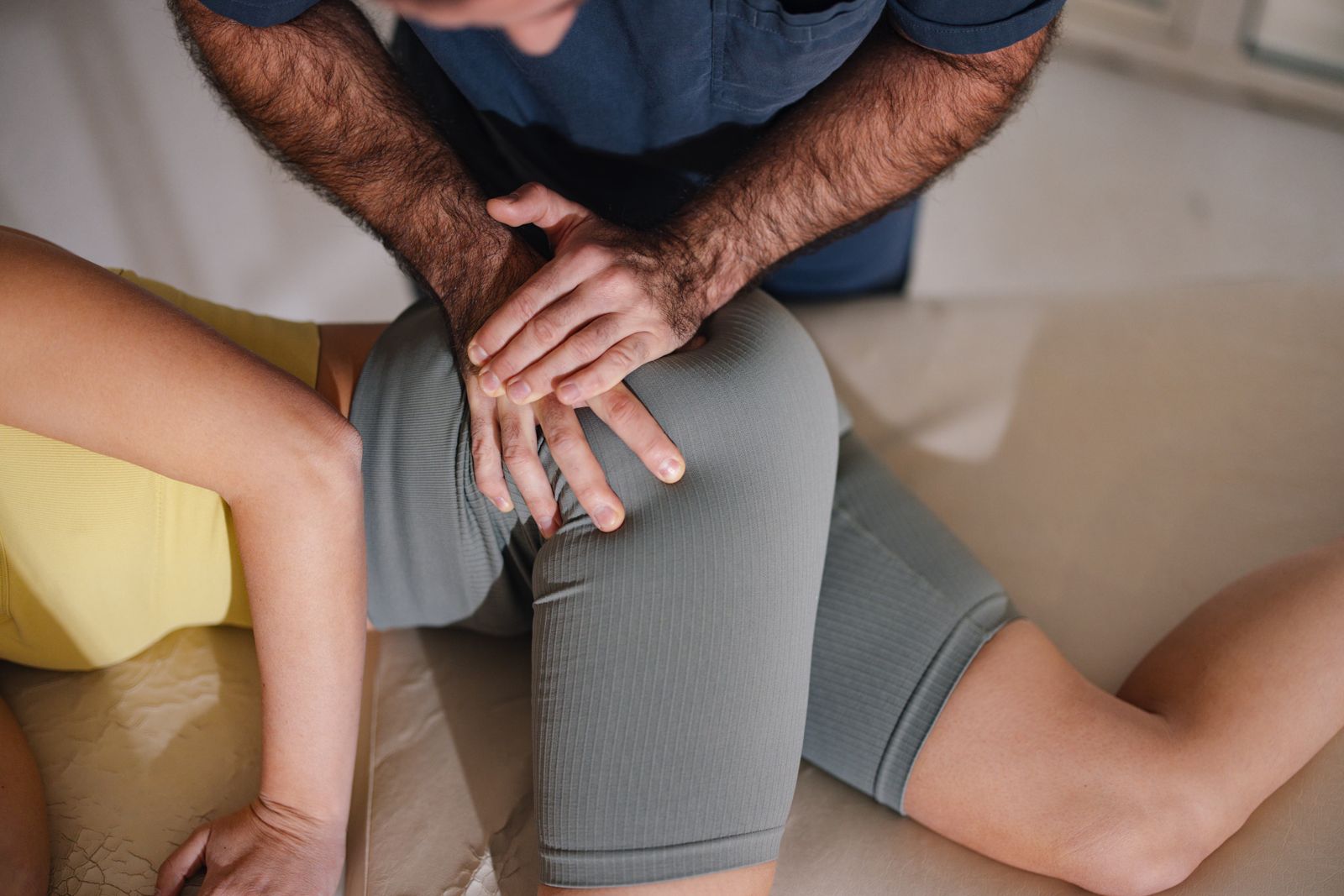
Understanding the approaches
ART (Active Release Technique) is a manual therapy focused on soft tissues. Chiropractic is a broader approach that can involve different manual procedures. These are therefore not entirely separate categories: the useful question is what treatment is proposed, for which symptoms, and with what goal.
Assessment before treatment
Before treatment, discuss symptom duration, everyday limitations, previous injuries, medical conditions and medicines. For lower back pain, assessment should also consider potentially serious causes. NICE does not recommend routine imaging in non-specialist settings; imaging in specialist care should be considered when the result is likely to change management.
What does research show?
A 2022 systematic review by Barnes and Rivera included nine studies. Improvements in pain, range of motion and disability were reported, but the authors called for further research into optimal treatment dosage and long-term effects. Evidence for ART remains limited: this review does not justify claiming that ART is superior to chiropractic care or guarantee an individual result.
For lower back pain, NICE considers manual therapy only within a treatment package that includes exercise. This is not a specific endorsement of ART. Agree on a functional goal and a time to review progress. A technique’s name alone does not establish whether it is the right choice.
When to seek care
Consult a doctor about symptoms that persist or recur. NHS guidance warns that chiropractic may be unsuitable for people with increased bleeding or stroke risk, very weak bones, or certain nerve conditions. With back pain, new bladder or bowel problems, numbness around the genitals, or weakness in both legs require emergency medical assessment.
This information is educational and does not replace an individual assessment.